

This essential guide will walk you through the signs that indicate it's time to replace your main water line and how to avoid potential issues down the road.
Why It's Important to Replace Your Main Water Line
Your main water line is important in your daily life, delivering clean water to your home for drinking, bathing, and cooking. Over time, these lines can deteriorate, leading to issues such as leaks, low water pressure, or contamination. Replacing your main water line before it fails can prevent water damage to your home, save you money on emergency repairs, and ensure a consistent water supply.
Also, older pipes made of materials like lead or galvanized steel pose health risks, which makes timely replacement essential, especially if your home was built before the 1970s. Taking action before your main water line deteriorates completely can save you time, stress, and money in the long run.
Signs It's Time to Replace Your Main Water Line
It's important to recognize the signs that indicate your water line needs replacing. Early intervention can prevent costly damage and disruptions. Here are the most common signs to watch for:
Read moreRead less about Signs It's Time to Replace Your Main Water Line
Frequent Leaks
If you're constantly dealing with leaks or repairs to your pipes, it could be a sign of widespread corrosion or damage. While localized leaks can sometimes be patched, frequent leaks are a clear sign that the pipe material has degraded and needs to be replaced entirely
Discolored Water
If brown water or rust-colored water start appearing when you turn on the tap, it could indicate sediment or rust inside the pipes. Over time, rust buildup can block the flow of water and lead to pipe failure. Replacing the main water line can restore the quality and clarity of your water.
Low Water Pressure
A sudden drop in water pressure can be a sign of a problem with the main water line. This could be due to pipe corrosion, cracks, or sediment buildup obstructing the flow. Low pressure can affect your daily activities, from showering to doing dishes. If your water pressure remains low despite fixing issues like clogged faucets, it's time to check the main water line.
Old Age of Pipes
The age of your pipes is one of the biggest factors in determining whether you should replace your main water line. If your home has pipes made of outdated materials such as lead or galvanized steel, it is likely time to replace them, as these materials are more prone to rust and deterioration. Even copper pipes, which are generally more durable, can wear out after several decades of use. Typically, homes built before the 1970s need more frequent inspections to assess pipe conditions.
Soggy or Waterlogged Lawn
If you notice water pooling or sogginess in your yard, especially near where the water line enters your home, it could be a sign of a water leak in your main line. These leaks can go unnoticed for a while, causing significant damage to your lawn and foundation, and may even lead to higher water bills. Prompt action is important to prevent further damage.
Why Some Cities Need to Replace Water Lines More Often
Certain cities and regions face more challenges for replacing water lines. Areas with older infrastructure, such as those built before modern plumbing codes, often have water lines made from outdated materials like cast iron, lead, or galvanized steel. These materials are more prone to rust, corrosion, and eventual failure.
Cities with frequent construction projects or those near water sources may also experience more wear and tear on their water lines. Older cities with higher population densities often face more significant pressure on water lines due to the volume of water being transported through aging systems.
How to Replace Your Main Water Line
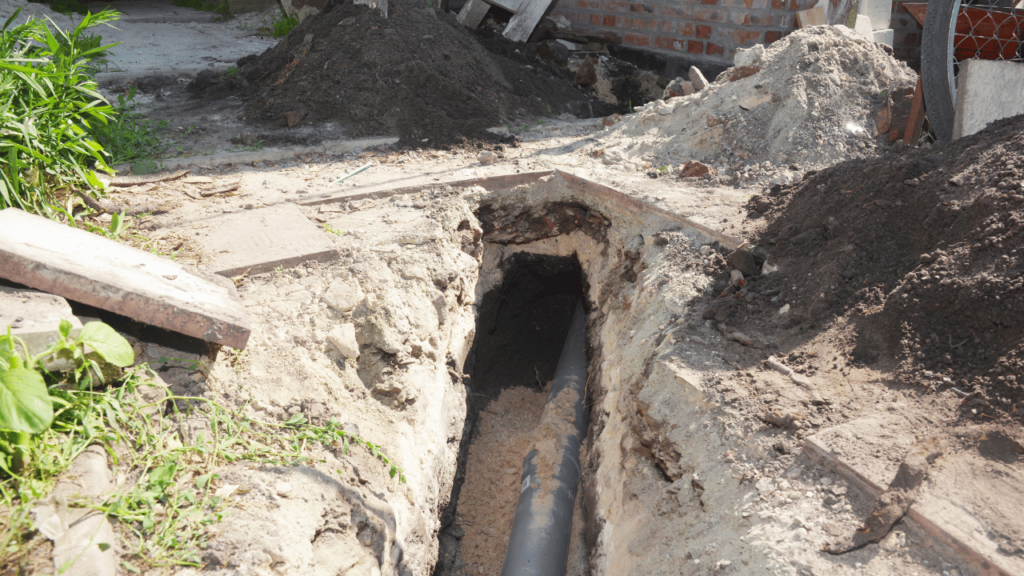
Replacing a main water line is a significant home repair project that requires professional help. While you can attempt to handle minor repairs, replacing the main line involves digging up the ground, disconnecting the old pipes, and installing new ones. It's not a DIY job for most homeowners, as it requires specialized tools and expertise.
Here's what you can expect during the replacement process:
Inspection: A licensed plumber will conduct an inspection to assess the condition of your water line and determine if replacement is necessary. They may use camera technology to inspect the inside of the pipe without needing to dig up the ground.
Inspection
A licensed plumber will conduct an inspection to assess the condition of your water line and determine if replacement is necessary. They may use camera technology to inspect the inside of the pipe without needing to dig up the ground.
Permits and Regulations
Depending on where you live, you may need permits before replacing your main water line. Your plumber should handle all necessary permits. This ensures the replacement meets local building codes and safety standards.
Excavation
The plumber will dig up the area around your water line to access the pipe. This may involve removing landscaping, sidewalks, or driveways, so be prepared for some disruption to your property.
Pipe Replacement
Once the old pipe is exposed, the plumber will disconnect it and replace it with a new pipe made from modern, durable materials like PVC or copper. These materials are less likely to corrode or degrade over time, offering long-lasting solutions.
Restoration
After the new pipe is installed, the area will be filled in, and any damage to landscaping or pavement will be repaired. Your plumber will test the new line to ensure everything is working correctly
Cost of Replacing Your Main Water Line
The cost of replacing a main water line can vary depending on several factors, including the material used, the size of your property, and the location of the line. On average, the cost ranges from $1,500 to $5,000, but it could go higher depending on the complexity of the job and the region.
While replacing a main water line is an investment, the benefits of improved water quality, better pressure, and fewer leaks make it worthwhile. Also, addressing the problem before a major failure occurs can save you from the higher costs of emergency repairs.
Conclusion
Replacing your main water line is a critical home repair that can prevent a wide range of problems, from water damage to contamination risks. By recognizing the signs of pipe deterioration early and taking action, you can avoid expensive repairs and keep your water supply safe. If you're wondering, When should I replace my main water line?, keep an eye out for frequent leaks, low pressure, and discolored water. Acting sooner rather than later can protect your home and ensure a steady, safe water supply for years to come.
Read moreRead less about Conclusion
Related guides: Common Plumbing Emergencies in Tampa, FL; The Worst Plumbing Pipes: What You Need to Know; How to Fix My Toilet Leaking at the Base: A DIY Guide; Brown Water from Tap? Why & How to Fix It Fast.
For Denver properties near Santa Fe Drive, check whether a loss of service matches planned utility construction before assuming your private line needs replacement. Our Santa Fe Drive outage guide explains the utility notice and who to contact.