

Tucson commercial plumbing monsoon prep is not optional. A grease trap backup on a busy Saturday night shuts down service. A flooded floor drain during a storm damages the product. A failed flushometer kills your Yelp page. Pima County RWRD inspectors do not slow down for holiday weekends either.
What Every Tucson Restaurant Should Check Before Monsoon and the 4th of July Rush
Tucson commercial kitchens and retail operators should run 9 plumbing checks before the holiday weekend rush: grease trap and log, floor and trench drains, ice machine water lines, dishwasher drains, restroom fixtures, mop sinks, backflow assemblies, outdoor cleanouts, and emergency shutoff training. These align with Pima County RWRD Ordinance §13.36.400 and FDA Food Code §4-501.112. Most checks take a manager 30 minutes. The ones that need a licensed plumber pay for themselves the first time monsoon hits.
Why Late May Is the Make or Break Window for Tucson Commercial Kitchens
Two clocks are running. Monsoon season opens June 15. The 4th of July weekend follows two weeks later. If your plumbing fails in either window, the cost includes the repair, the lost weekend, the wasted prep, and the bad reviews that follow. Late May is the only stretch when you can fix problems on your schedule.
The monsoon clock: NWS Tucson's June 15 to September 30 window
The National Weather Service Tucson office defines monsoon as June 15 through September 30. Storms usually hit hardest mid July through August. Flash flooding pushes water into outdoor cleanouts and floor drains. A sealed and inspected system handles it. An unchecked one does not.
Why holiday weekends amplify every existing plumbing weakness
Holiday weekends double your covers, double your dishwasher cycles, and double the stress on every fixture. A flushometer that worked fine on a Tuesday fails by Saturday afternoon. The fix is preventive checks before the volume hits.
The cost of a busted weekend in Tucson
A mid sized Tucson restaurant grosses $8,000 to $15,000 on a holiday Saturday. A grease trap backup costs you the day and triggers a Pima County RWRD inspection. Three weeks of prevention beats one day of crisis.
The 9 Item Pre-Monsoon Plumbing Checklist
Work through this list in order. Most managers can run the visual checks in 30 minutes. Items 1, 7, and 9 need a licensed AZ ROC C-37 plumber if anything fails the visual.
- Grease trap inspection and log: Confirm last pump date, percent capacity, and that your maintenance log goes back at least three years. Pima County RWRD inspectors check logs first.
- Floor and trench drains: Run water in each drain for 30 seconds. Look for slow flow, missing trap primers, or visible scale. Slow drains back up first under monsoon load.
- Ice machine water lines and filter: Check the inlet filter pressure gauge. Tucson's hard water destroys filters fast. A clogged filter starves the ice machine and shortens its life.
- Dishwasher drains and spray valves: Run a full cycle. Listen for the drain pump straining. Check the pre-rinse spray valve flow. A failing valve costs you 200 gallons a day.
- Restroom fixtures: Flush every toilet and urinal. Check flushometer diaphragms for hissing. Test automatic faucet sensors. Replace batteries before they die mid shift.
- Mop sinks and utility drains: Check the faucet vacuum breaker. Look for cracks at the basin caulk line. A leaking mop sink soaks the wall behind it for weeks before you see it.
- Backflow assemblies: Confirm your annual Pima County backflow test is current. Chemical dishwashers, irrigation, and pressure washer hookups all need testing.
- Outdoor sewer cleanouts: Walk the building perimeter. Find every cleanout cap. Confirm each is sealed and undamaged. Monsoon flooding finds the one bad cap and backs water into your kitchen.
- Emergency shutoff valves and staff training: Tag the main water shutoff. Train one person per shift to find it in under 60 seconds. Same for gas.
Grease Trap Inspection: Pima County RWRD Ordinance §13.36.400
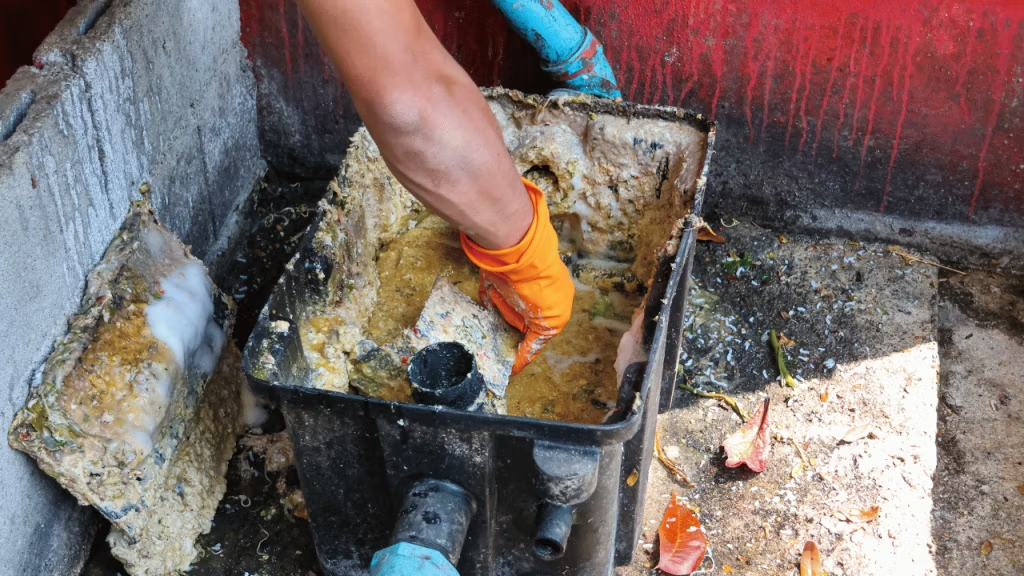
The grease trap is the single most regulated piece of plumbing in your kitchen. Pima County's Regional Wastewater Reclamation Department (RWRD) enforces the Industrial Wastewater Ordinance §13.36.400, Article XIV (Grease Management Program). Get this one wrong and you face fines, kitchen shutdowns, and a permit review.
The 25% rule: how HGI and GGI cleaning frequencies actually differ
Pima County recognizes two grease interceptor types and they have different rules. Hydromechanical Grease Interceptors (HGI), the under-sink units, need cleaning at least monthly. Gravity Grease Interceptors (GGI), the large outdoor tanks, need a full pump every six months or when FOG and solids reach 25% of the tank's overall depth. Most national plumbers conflate these two. Pima County does not.
Maintenance log requirements and what inspectors look at
Keep grease trap pump records on site for at least three years. Industry best practice is five. The log should include the pump date, the hauler's name, the volume removed, and the disposal manifest. Inspectors check the log before the trap.
The Preferred Pumper Program
Pima County runs a Preferred Pumper Program (PPP) that lists haulers operating to ordinance standards. Using a non-listed hauler is not illegal, but a PPP hauler reduces your audit risk. Confirm your hauler before signing a service contract.
What a Pima County RWRD violation costs
Fines escalate. A first written notice is usually free with a 30-day correction window. Unresolved violations move to formal enforcement, with fines that scale based on the discharge volume and history. A serious obstruction can trigger a sewer surcharge and a permit review.
Floor Drains and the Monsoon Backflow Risk Nobody Plans For
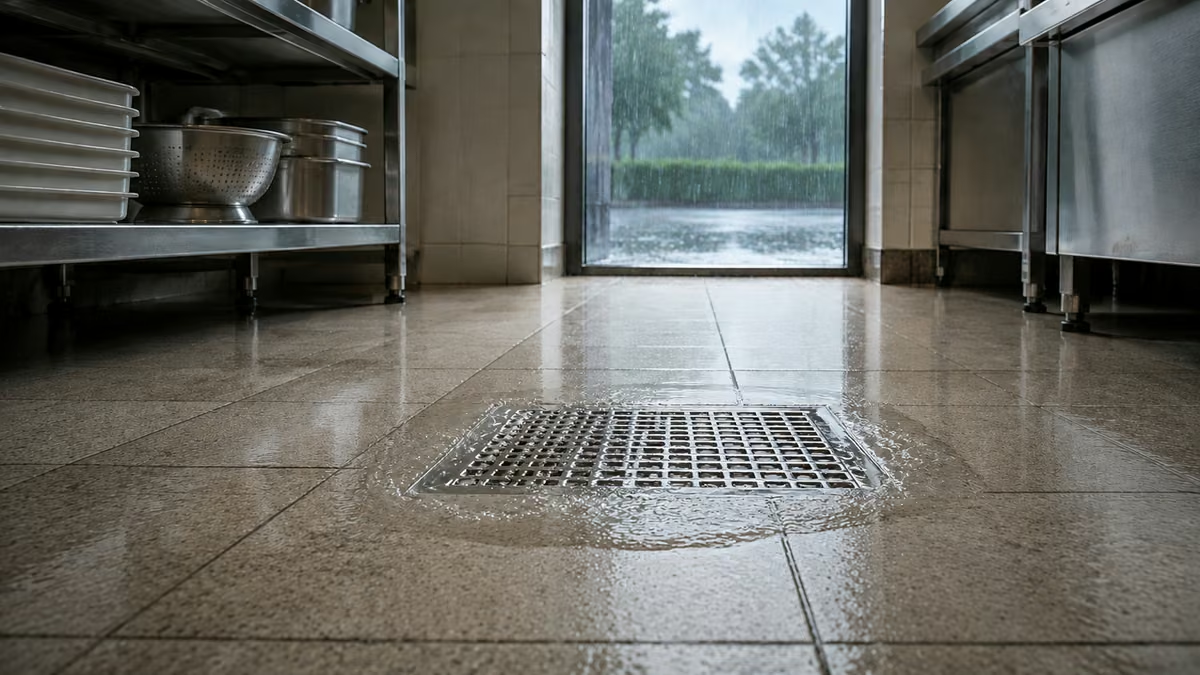
Floor drains save your kitchen when something spills. They also become an entry point during monsoon flash flooding. A dry trap or a missing backwater valve lets sewer water push back into the building. The fix is cheap. The repair after a flood is not.
How to test floor drain trap seals before a storm?
Run water in every floor drain for 30 seconds, weekly. Trap seals dry out in low-use drains and let sewer gas and floodwater back in. If you smell sewer gas near a drain, that trap is dry.
Backwater valves: when Tucson code requires them
If your kitchen sits below street grade or near a known monsoon flood path, Tucson code requires a backwater valve on the main sewer line. A licensed plumber installs it for $300 to $800. It pays back the first storm.
Trench drain grates and storm debris loading
Walk your outdoor trench drains. Clear leaves, mulch, and packaging debris before a storm. A blocked trench drain pushes water into your back of the house.
Ice Machines, Water Lines, and the Hard Water Failures Tucson Sees Every Year
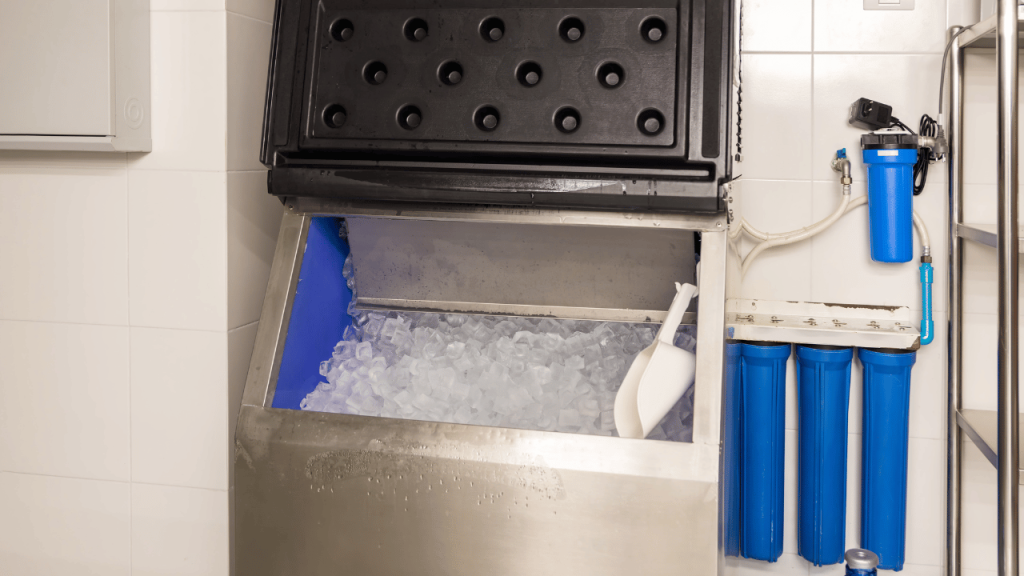
Tucson water averages 16 to 22 grains per gallon, three times the soft water threshold. That mineral load destroys ice machines, dishwasher heaters, and pre-rinse spray valves faster than any other Elite Rooter market. The pre-monsoon check catches the equipment that's about to fail.
Ice machine failure signs
Cloudy ice, lower production volume, and a longer cycle time mean scale buildup. Check the inlet water filter pressure gauge. If it reads below the manufacturer spec, change the filter. A new filter costs $60. A new ice machine costs $4,000.
Pre-rinse spray valve flow checks
Federal EPAct rules cap pre-rinse spray valve flow at 1.28 gallons per minute. A worn valve drips, sprays wide, or runs over spec. That wastes water and slows the dish line.
When is the water softener the actual problem?
If multiple fixtures show the same scale pattern at the same time, the softener is likely the cause. Check salt level, brine line, and bypass valve before you replace a single fixture.
Dishwasher Drains, Booster Heaters, and High-Temp Sanitization
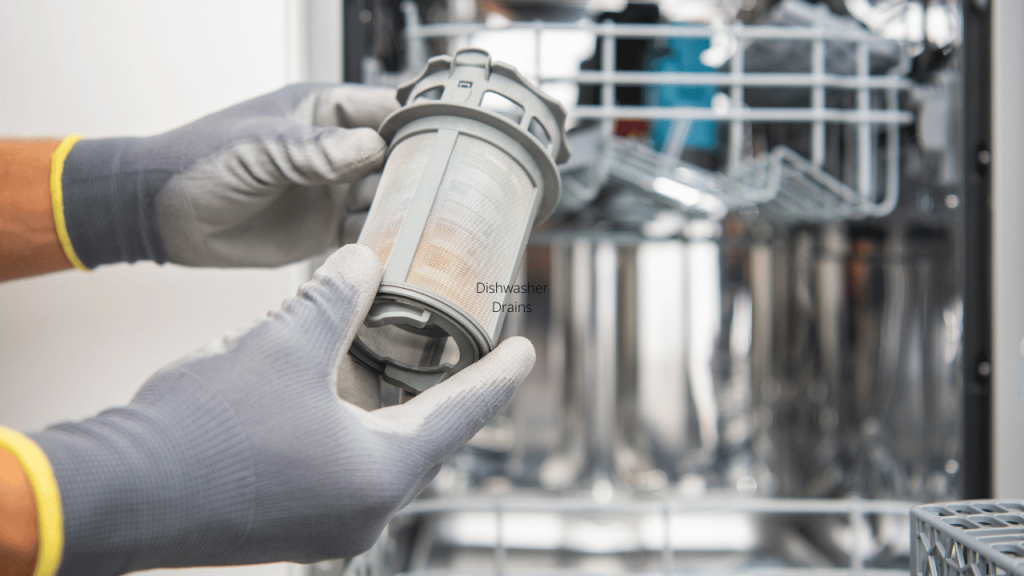
Commercial dishwashers run hot, fast, and constantly during holiday weekends. The two failure modes that shut you down are a backed-up drain line and a booster heater that drops below the 180°F sanitization minimum from FDA Food Code §4-501.112. Before the rush, run a full cycle. Watch the booster heater gauge. Check the drain line for slow flow. Listen for the drain pump straining. A failing dishwasher on Saturday at 7 p.m. means a hand-wash crew and a 90-minute table turn. Catch it on Tuesday morning and your weekend stays profitable.
Restroom Fixtures Under Holiday Weekend Load
Public restrooms break your brand before they break your kitchen. A flushometer that hisses, an automatic faucet that won't activate, or a toilet that runs constantly tells your guest everything they need to know. Holiday volume finds every weak fixture in 4 hours.
Flushometer diaphragm life under high-volume use
Diaphragms wear out faster in commercial settings than spec sheets suggest. Listen for a hissing or running sound after the flush completes. Replace the diaphragm kit before it fails. Kits cost $15 to $40 and take 10 minutes per fixture.
Automatic faucet sensor and battery checks
Most automatic faucets run on 4 AA batteries. They die quietly. Change all batteries before any major weekend, not after a sensor goes dark mid shift.
Backflow Assemblies and Outdoor Sewer Cleanouts
Two completely different jobs that share one risk: contamination. A failed backflow assembly lets dirty water siphon into the drinking line. A bad outdoor cleanout lets monsoon floodwater into your sewer. Both need a licensed AZ ROC C-37 plumber.
Annual backflow testing in Pima County
Pima County and the City of Tucson require annual testing of every field-testable backflow assembly. That covers chemical-fed dishwashers, irrigation, pressure washer hookups, and any cross connection. A certified tester runs the test in 20 minutes and files the report directly with the water authority. Cost runs $50 to $150 per assembly.
Common backflow failures after a Tucson winter
After a winter of dry conditions and a few cold nights, three things typically fail. Internal check valves crack from temperature swings. Shut-off ball valves seize from scale buildup. Relief valves on RPZ devices vent constantly because of grit in the spring. A certified tester rebuilds most failures on the spot with a $40 kit.
Outdoor sewer cleanouts and the monsoon backflow path
Walk your building perimeter. Identify every cleanout cap (usually 4-inch white PVC or cast iron, capped). Confirm each is sealed tight. Cracked or missing caps let stormwater into your sewer line, which then backs up into your floor drains during a flash flood. A new cap costs $5. The flood does not.
Emergency On-Call Plumbers and Staff Shutoff Training
Two things prevent most weekend disasters. Knowing how to stop the water yourself, and having a number that picks up at 2 a.m. Both are cheap. Neither happens by accident.
Where to find your main water shutoff and gas shutoff
Tag both with bright yellow or red tape. Take a photo. Put the photo and a 60-second video walkthrough in the manager's binder. New hires get it on day one. The water shutoff is usually near the front of the building or at the meter. The gas shutoff is near the meter outside.
The 3-step shutoff drill every shift should know
One: identify the smell or sound (gas smell, water gushing, sewer backup). Two: get all guests out. Three: hit the shutoff and call your on-call plumber. Practice it once a quarter.
When an on-call agreement is worth the monthly fee
Most Tucson commercial on-call agreements run $50 to $200 per month and guarantee a 60 to 90 minute response. If your weekend revenue clears $5,000 a night, the math is obvious. If you only open Monday to Friday lunch, maybe not.
How Elite Rooter Handles Tucson Pre-Monsoon Commercial Plumbing
The pro side of the checklist is what we do every day. Elite Rooter is an AZ ROC C-37 licensed commercial plumbing company with a Tucson branch at 4655 N Flowing Wells Rd. Our commercial team handles grease trap pumps, backflow tests, drain cleaning, and emergency dispatch. Same-day response across most of Tucson Metro. Written reports with photos after every visit.
Two ways to use us before the holiday weekend rush. Book a pre-monsoon commercial plumbing audit on our Tucson location page and we'll run the 9-item checklist for you. Or set up an on-call agreement if monsoon weekends keep you up at night. Restaurants closing strong is the goal.
Frequently Asked Questions
Answers to the questions Tucson restaurant and retail owners ask us most often before monsoon season.
How often should a Tucson restaurant clean its grease trap?
Hydromechanical grease interceptors (HGI) under sinks need cleaning at least monthly per Pima County Ordinance §13.36.400. Gravity grease interceptors (GGI), the larger outdoor tanks, need a full pump every six months or when FOG and solids reach 25% of the tank's depth.
What's the fine for a dirty grease trap in Pima County?
A first written notice usually carries no fine and a 30-day correction window. Unresolved violations move to formal enforcement. Fines scale by discharge volume and history, and a serious obstruction can trigger sewer surcharges or a permit review.
How do I prep restaurant plumbing for a holiday weekend?
Run the 9-item checklist three weeks out: grease trap, floor drains, ice machine, dishwasher, restroom fixtures, mop sinks, backflow, outdoor cleanouts, and shutoff training. Items 1, 7, and 9 need a licensed plumber if anything fails the visual.
Can I put a commercial plumber on-call for the monsoon season?
Yes. Most Tucson on-call agreements run $50 to $200 per month with a 60 to 90 minute response time. They pay for themselves the first weekend a grease trap backs up or a flushometer fails.
When does Tucson's monsoon season officially start?
The National Weather Service Tucson office defines monsoon as June 15 through September 30. Storms typically hit hardest mid July through August.
Does the AZ Department of Health Services regulate grease traps?
No. AZ DHS handles food safety inspections. Grease trap and FOG regulation in the Tucson area falls under Pima County RWRD's Industrial Wastewater Ordinance §13.36.400.