
This is the June spike, and it hits almost every Phoenix commercial property the same way. Apartment complexes, warehouses, retail centers, and office parks all see water bills jump 30 to 50% the moment the heat arrives. For a mid-size complex, that's an extra $2,000 to $4,000 a month, every month, until October.
Most of that increase is normal summer irrigation and pool fill. Some of it is not. Somewhere in that bigger number, an undetected leak can hide for the entire season, quietly adding thousands of dollars before anyone notices.
The Short Answer: Why Phoenix Commercial Water Bills Jump in June
Commercial water use often rises in summer because irrigation, pool refilling, cooling equipment, and tenant demand increase. Compare with the same billing period in prior years. A jump outside the property's normal seasonal pattern is the signal to investigate for leaks or control failures.
Why Phoenix Water Use Rises in Summer
Seasonal demand is not random. It usually comes from a few systems that peak at the same time, and separating those systems helps a property manager distinguish expected summer use from a leak.
Here are the most common sources of extra summer water use:
Where extra summer water use comes from
Irrigation, pool and water-feature refill, evaporative cooling equipment, and higher occupant demand can all raise summer use. The contribution from each source varies by property, weather, equipment, and operating schedule, so use submeters and prior-year bills instead of a fixed percentage.
Why summer hides leaks instead of revealing them
Here's the trap. In winter, a leak stands out because baseline usage is low. A $500 jump on a $4,000 bill is obvious. In summer, that same $500 leak disappears inside a bill that already climbed $2,500 for normal reasons. Property managers see the big number, assume it's all seasonal, and pay it. The leak keeps running for months. By the time anyone investigates, the property has lost $10,000 or more to a problem that a $300 audit would have caught in June.
The Apartment Complex Plumbing Audit (Step by Step)
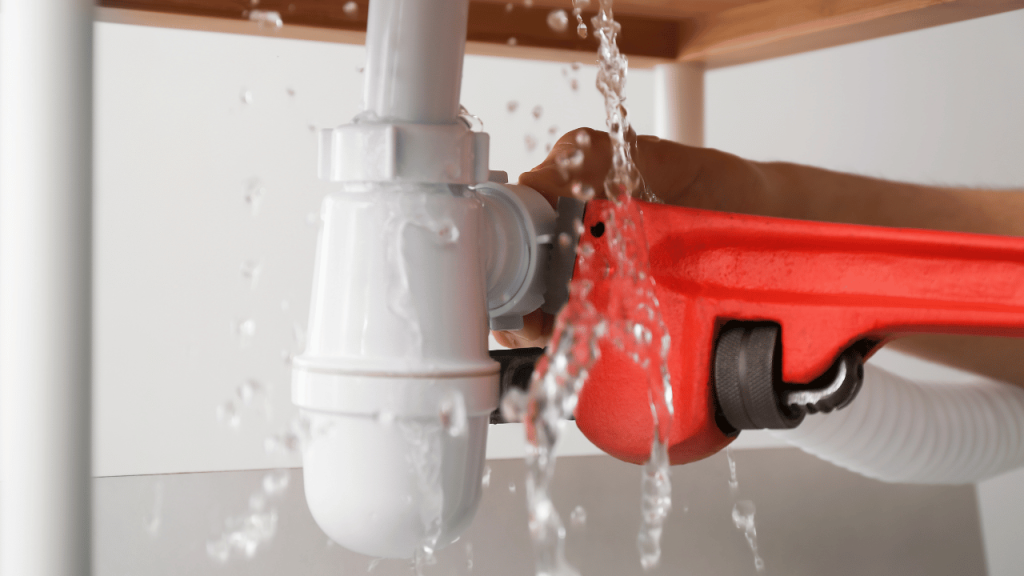
An apartment complex has the most places for water to disappear. Hundreds of fixtures, shared irrigation, a pool, and a master meter that lumps everything into one number. The good news is that a property manager can run a basic audit in a few hours and catch most problems before calling a plumber. The goal is to find the gap between what the meter says and what the property should actually use.
Here are the steps to audit a Phoenix apartment complex:
Master meter vs sub-meter: reading the data right
Start with the meter setup. A master-metered complex pays one bill for all water, which makes leaks easy to hide. A sub-metered complex bills each unit separately, which surfaces in-unit leaks faster but can mask common-area problems. Read the master meter late at night when usage should be near zero. If the dial keeps moving with everything off, water is leaving the system somewhere. That's your first signal.
The 5% unit sample method for 100+ unit complexes
Checking 200 units one by one is not realistic. Instead, inspect a 5% sample, around 10 units in a 200-unit complex, spread across buildings and floors. In each, check the toilet for a silent leak (add food coloring to the tank, wait 10 minutes, look for color in the bowl), test faucets and showerheads for drips, and look under sinks for moisture. If 2 of 10 units have a running toilet, you likely have 40 running across the property.
Common-area irrigation and pool fill checks
The biggest single-source leaks usually live outside the units. Walk the common-area irrigation while it runs and look for broken heads, geysers, and soggy turf. Check the pool's auto-fill valve, which can stick open and run continuously without anyone noticing. A stuck pool auto-fill alone can waste 10,000 gallons a month.
The Warehouse and Industrial Plumbing Audit
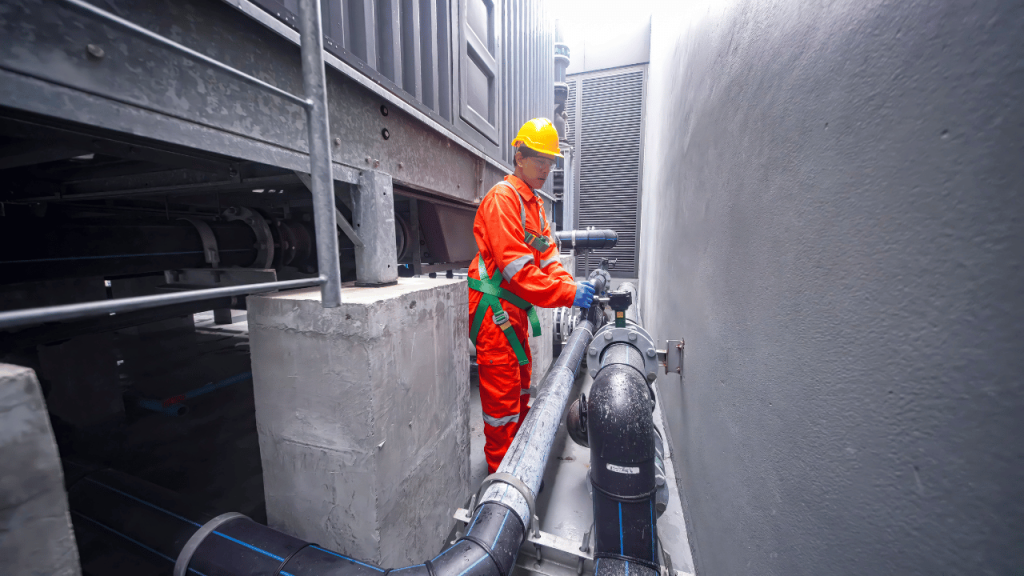
Most owners ignore warehouse plumbing until something breaks, and in Phoenix that's a costly mistake. Industrial buildings use water in ways most people never think about: evaporative cooling, fire suppression systems, large restroom banks, and dock wash-down areas. Each one can spring a leak that runs unnoticed for weeks because nobody is walking the back of a 100,000 square foot building every day. A summer audit catches these before they hit the bill.
Here's how to audit a Phoenix warehouse or industrial property:
Evaporative cooling: the Phoenix warehouse water hog
Many Phoenix warehouses use evaporative coolers (swamp coolers) instead of refrigerated AC because they're cheaper to run at scale. The tradeoff is water. A large evaporative cooling system can use hundreds of gallons a day in peak summer, and a stuck float valve or a cracked distribution line wastes far more. Check every cooler's water line, float valve, and bleed-off rate at the start of summer. This is the single biggest water variable in most Phoenix warehouses.
Fire suppression and large-meter checks
Fire suppression lines hold water under pressure and rarely see an inspection between annual fire-marshal visits. A slow leak in a sprinkler line or a weeping valve can run continuously. Walk the riser room and look for moisture, corrosion, or drips. Also confirm your water meter matches your building's actual flow. An oversized meter on a low-flow building can misread usage and inflate bills. A licensed commercial plumbing team can verify both.
Deer Valley, Chandler, and Goodyear warehouse specifics
Phoenix industrial zones each have their own patterns. Deer Valley's older warehouses often have aging galvanized supply lines that corrode and leak. Chandler Industrial's newer builds run large irrigation for landscaped frontage. Goodyear's distribution centers have massive restroom banks and dock areas where wash-down leaks hide. Knowing your building's age and use tells you where to look first.
The Irrigation System Audit (Where Summer Waste Hides)
Irrigation is the number one source of summer water waste on Phoenix commercial properties, and it's also the easiest place to lose money without knowing. A commercial irrigation system has dozens or hundreds of heads, multiple zones, and a controller that runs automatically in the early morning when nobody is watching. One stuck valve or a cluster of broken heads can waste more water than every tenant in the building combined. According to EPA WaterSense, landscape irrigation accounts for a huge share of commercial water use in hot, dry climates.
Here's how to audit your commercial irrigation system:
The stuck-valve problem that wastes thousands of gallons
A solenoid valve controls each irrigation zone. When a valve sticks open, that zone runs 24/7 instead of for its scheduled 10 minutes. Because commercial irrigation usually runs at 4 a.m., nobody sees it. The water soaks in or runs to a drain, and the only evidence is the bill. Run each zone manually during the day and confirm it shuts off completely when the cycle ends. A single stuck valve can waste 1,000 gallons a day.
Controller schedules and Phoenix watering rules
Pull up your controller schedule and check it against the season. Many Phoenix properties run winter schedules into summer or summer schedules into fall, watering far more than the landscape needs. Set the controller to water before 10 a.m. or after 6 p.m. to reduce evaporation loss, and adjust run times to the season.
Backflow testing for commercial irrigation
Commercial irrigation systems tie into the potable water supply, which means they need an annual backflow test by a certified tester. A failed backflow assembly is both a code violation and a contamination risk. Schedule the test in spring before peak season.
The 4-Step Leak Detection Protocol for Commercial Properties
When the audit points to a leak but you can't see it, a systematic detection protocol saves you from guessing. Random digging and trial-and-error repairs cost more than the leak itself. The professional approach narrows the location before anyone touches a shovel, which keeps the repair small and the property intact.
Here are the four steps professionals use to find a commercial leak:
The overnight meter test for large properties
Shut off all known water use overnight, then read the master meter at 11 p.m. and again at 5 a.m. Any movement means water is leaving the system with everything off. The amount of movement tells you roughly how big the leak is. This single test confirms if you are a leak before spending a dollar on detection.
When to call for acoustic or camera leak detection
Once you know a leak exists, professional water leak detection pinpoints it without tearing up the property. Acoustic equipment listens for the sound of water escaping a pressurized line. Camera scopes run through sewer and drain lines to find cracks and root intrusion. Both methods locate the exact spot, so the repair crew opens one small area instead of the whole slab or parking lot.
The ROI Math: What an Audit Saves vs What a Leak Costs
Every property manager has to justify spending money to save money. The math on a summer plumbing audit is some of the easiest to defend, because the cost of catching a leak early is tiny compared to the cost of letting it run all summer. The table below shows the real numbers for a mid-size Phoenix property.
Here's the cost comparison that makes the decision obvious:
Use site-specific written estimates for budgeting. Property size, access, metering, fixture count, and diagnostic scope can materially change the cost.
The business case is simple: a scoped inspection can identify waste before it compounds across an entire billing cycle. Approve the work only after the diagnostic scope and price are in writing.
Who Pays for the Leak: Owner vs Tenant in Phoenix Commercial Leases
Finding the leak is one thing. Figuring out who pays for it is another, and on a commercial property the answer lives in the lease. The split between owner and tenant responsibility depends entirely on the lease structure, and getting it wrong creates disputes that cost more than the repair. This is general information, not legal advice, so check your specific lease and talk to an attorney for your situation.
Here's how responsibility usually breaks down in Phoenix commercial leases:
Triple-net vs full-service: the plumbing responsibility split
In a triple-net lease, the tenant typically covers maintenance and repairs inside their space, including most plumbing. In a full-service or gross lease, the landlord usually keeps responsibility for plumbing. Shared systems like common-area irrigation, the main supply line, and the building's structural plumbing almost always stay with the owner. The gray area is usually the in-unit fixtures and the line between "inside the space" and "shared system." Read the maintenance clause carefully before assigning blame.
The Phoenix sewer fee adjustment most managers miss
Here's a recovery option most property managers don't know about. When a documented leak causes a usage spike, the City of Phoenix offers a sewer fee adjustment because the leaked water never entered the sewer system. You fix the leak, submit the repair documentation, and the city adjusts the sewer portion of your bill. It won't refund the water, but it can recover a meaningful chunk of the overcharge. File it as soon as the repair is done.
How Elite Rooter Handles Phoenix Commercial Summer Plumbing
Most of the audit above is something a property manager can run in-house. The parts that need a licensed plumber are leak detection, backflow testing, and any repair that goes below grade or behind a wall. That's where a commercial team earns its keep.
Elite Rooter runs commercial plumbing audits, acoustic and camera leak detection, and backflow testing across Phoenix metro. We hold an AZ ROC C-37 license and dispatch most commercial calls same-day. For property managers who want to get ahead of the next season, a maintenance contract with quarterly audits catches problems before each bill instead of after.
If your summer bills jumped this year and you can't pin down why, a commercial audit is the fastest way to find out. You can request a commercial quote through our Phoenix location page, or read more on why preventive maintenance pays off over time.
Frequently Asked Questions
Here are quick answers to the questions Phoenix property managers and building owners search for most often when summer water bills climb.
Why do Phoenix apartment water bills rise in summer?
Irrigation, pool refilling, cooling equipment, and tenant demand can all raise summer use. Compare with the same period in prior years and investigate any increase that falls outside the property's normal seasonal pattern.
How do I audit commercial plumbing on my property?
Start with the master meter overnight to check for hidden leaks. Walk the irrigation while it runs, inspect the pool auto-fill, and spot-check a 5% sample of units for running toilets. For warehouses, check evaporative coolers and fire suppression lines.
What's a fair commercial plumbing maintenance contract?
Most Phoenix commercial maintenance contracts run $1,200 to $3,600 a year for quarterly audits and priority dispatch. A fair contract includes seasonal inspections, leak detection, backflow testing coordination, and a guaranteed response time. Compare what's included, including the price.
Can I recoup leak costs through insurance or the city?
Sometimes. The City of Phoenix offers a sewer fee adjustment when a documented leak causes a usage spike, because the leaked water never entered the sewer. Insurance may cover sudden water damage but usually excludes the wasted water itself. Document everything with photos and repair receipts.
Who's responsible for plumbing, the owner or the tenant?
It depends on the lease. Triple-net leases usually put in-space plumbing on the tenant. Full-service leases usually keep it with the landlord. Shared systems like main lines and common-area irrigation almost always stay with the owner. Check your lease's maintenance clause.
How much does a commercial plumbing audit cost in Phoenix?
Audit pricing depends on property size, fixture count, access, metering, and whether specialized leak detection is needed. Ask for a written scope and price before authorizing the inspection.
How often should a Phoenix commercial property get a plumbing audit?
At minimum, audit before summer in April or May to catch problems before peak season. Larger properties benefit from quarterly audits. A spring audit can catch irrigation and pool issues before peak summer demand.
Related guides: Expert Plumbers in Phoenix, AZ.