Many homeowners only call a plumber when something goes wrong. But what if you could avoid the crisis altogether? Preventive maintenance helps identify minor issues before they escalate into major problems. Just like your car needs regular oil changes, your home's plumbing system benefits from ongoing attention.
Common Plumbing Issues That Start Small
Most serious plumbing problems begin as minor inconveniences. For example:
- Slow drains can indicate an early-stage blockage that may eventually turn into a full-on backup.
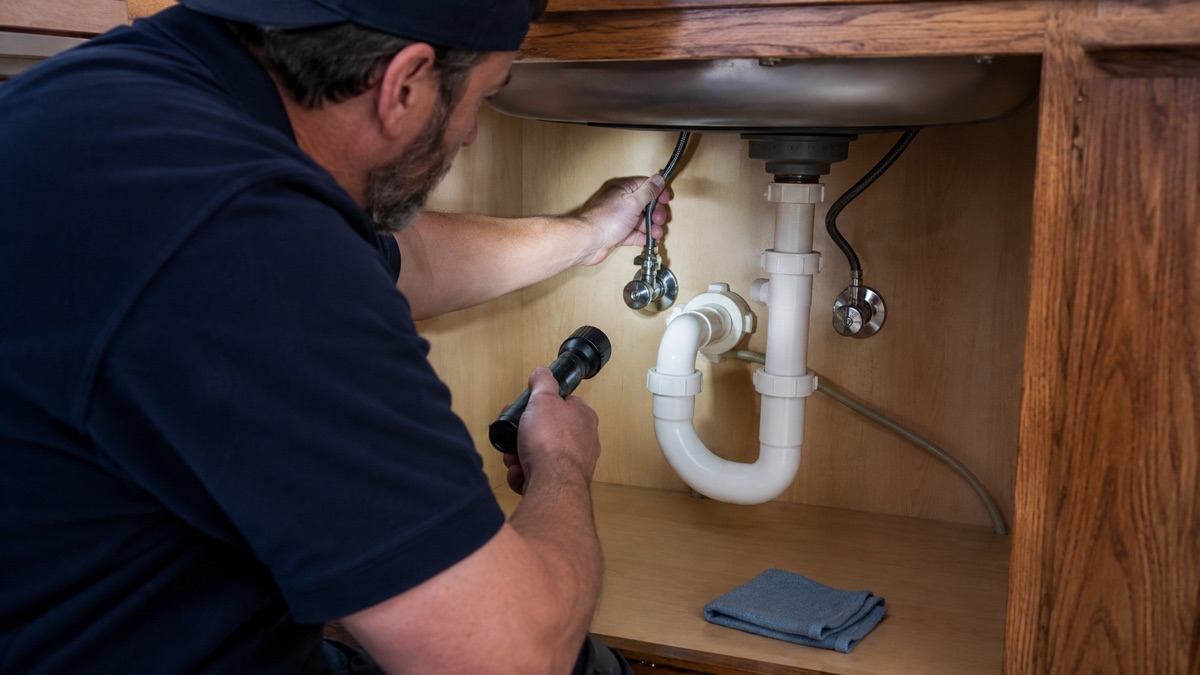
- Small leaks under sinks or around water heaters can lead to structural damage and mold growth if left unchecked.
- Irregular water pressure might signal sediment buildup or hidden leaks within your pipes.
- Gurgling toilets or drains may point to issues within the sewer system.
Routine inspections can uncover these warning signs early, helping you take action before the damage spreads.
The Cost-Saving Power of Early Detection
Beyond avoiding emergencies, preventive plumbing also saves money over time. According to industry estimates, a single burst pipe can cause thousands of dollars in water damage, not to mention the cost of repairs and restoration. Investing in regular checkups, pipe insulation, drain cleaning, and leak detection services can drastically reduce these risks.
Also, well-maintained systems operate more efficiently. You might notice lower water bills, improved appliance performance, and longer equipment lifespan. Water heaters, for example, last significantly longer when flushed regularly to remove sediment buildup.
What Does Preventive Plumbing Maintenance Include?
While the exact services may vary based on your home's age and layout, standard preventive maintenance typically involves:
- Inspection of exposed and hidden pipes for corrosion or damage
- Leak detection using modern equipment
- Water heater maintenance (flushing, checking anode rod, valve inspection)
- Sewer and drain cleaning
- Sump pump testing and cleaning
- Checking water pressure and valves
- Evaluating fixture connections and functionality
Scheduling these services once or twice a year ensures that your system stays in top shape throughout the seasons.
Peace of Mind Through Professional Support
Attempting to handle all plumbing issues yourself may seem cost-effective, but DIY work rarely matches the reliability of a certified plumber. An experienced plumbing technician both resolves problems efficiently and offers valuable advice tailored to your home.
Working with a trusted provider also builds a relationship. The technician becomes familiar with your property, can track previous issues, and recommend long-term upgrades when necessary.
For homeowners who want reliable plumbing care and emergency support when it's needed most, it makes sense to partner with a professional team.
Final Thoughts
Your plumbing system is one of the most important, yet often overlooked, parts of your home. Taking the time to schedule regular maintenance can save you money, preserve your property, and protect your peace of mind. Don't wait until a crisis strikes. Take control of your home's plumbing health today and enjoy stress-free living for years to come.