
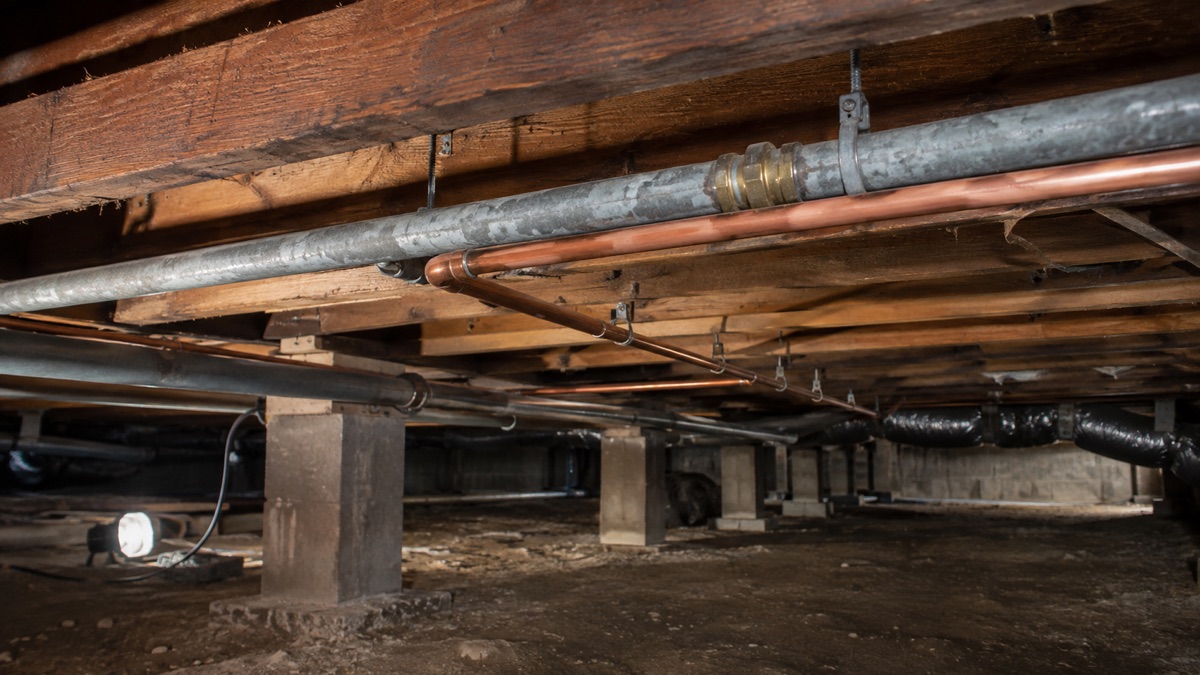
In this article, we'll walk you through everything you need to know about updating plumbing in an old house, from identifying common plumbing issues to choosing the right materials.
Why You Need to Update Plumbing in an Old House
Homes built before the 1980s may have outdated plumbing systems that can affect the quality of your water and overall home efficiency. Plumbing materials such as lead pipes, galvanized steel, and cast iron can corrode over time, leading to leaks, low water pressure, and even health risks. Updating your plumbing is a home improvement and an investment in your property's value, safety, and longevity.
Here's what you'll gain from this guide:
- A breakdown of common plumbing problems in old homes
- Steps for updating your plumbing system
- Tips on budgeting for plumbing updates
- Advice on the best materials to use
Common Plumbing Issues in Older Homes
Before you start your plumbing update, it's important to identify common problems found in older homes:
- Lead Pipes: Lead pipes were commonly used until the 1980s. Over time, they corrode, posing serious health risks through lead contamination in drinking water.
- Galvanized Steel Pipes: These pipes are prone to rust and corrosion, which can lead to leaks and reduced water pressure.
- Cast Iron Pipes: Cast iron is durable but can deteriorate, causing blockages and leaks. Over time, these pipes can collapse.
- Polybutylene Pipes: A type of plastic pipe that was widely used from the 1970s to 1990s, polybutylene pipes are prone to breakage and leaks.
Identifying these issues is the first step toward ensuring your plumbing system is up-to-date and functional.
Essential Steps to Update Plumbing in Your Old House
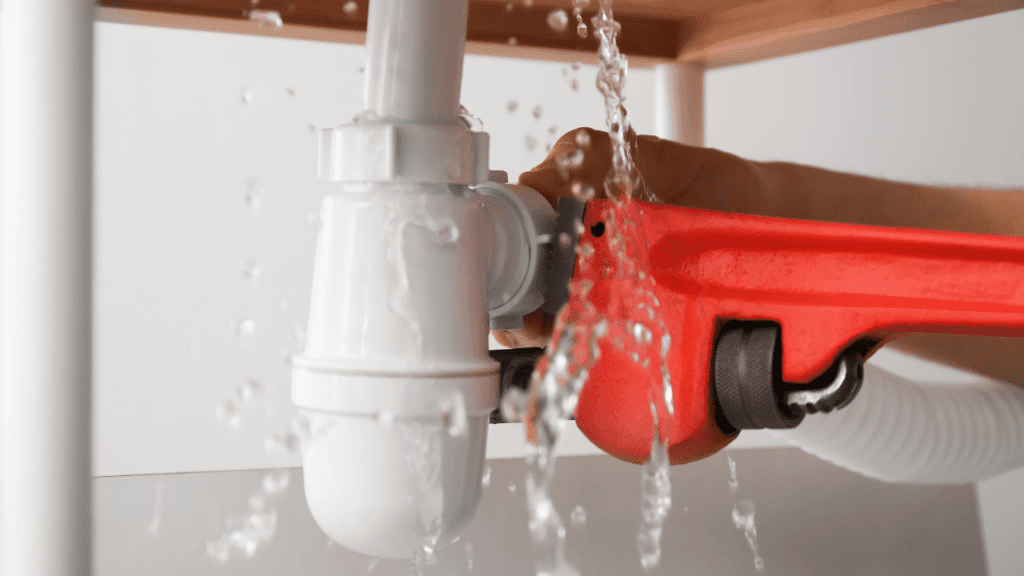
Updating plumbing in an old home involves several key steps. Here's a clear and simple guide to follow:
Inspect the Plumbing System
Before you start any work, hire a licensed plumber to inspect the entire plumbing system. Look for signs of corrosion, leaks, and blockages.
Plan the Update
Once you know what needs to be replaced, create a plan. Decide whether to replace all the pipes at once or tackle the job in stages to fit your budget.
Choose the Right Materials
- PEX (Cross-linked Polyethylene): This is one of the most common materials used in modern plumbing due to its flexibility and cost-effectiveness.
- Copper Pipes: Copper is durable, but it's more expensive than PEX. It's ideal for water lines but can be prone to corrosion over time.
- PVC Pipes: PVC is lightweight and affordable, but it's best used for drainage systems rather than water lines.
Budget for the Update
The cost to update plumbing in an old house can vary. A full repiping can cost anywhere from $3,000 to $10,000 depending on the size of the house and materials used.
Hire a Professional Plumber
Plumbing updates require specialized knowledge. Make sure you hire a licensed plumber to ensure the job is done correctly and meets local building codes.
Why Is It Important to Replace Old Pipes?
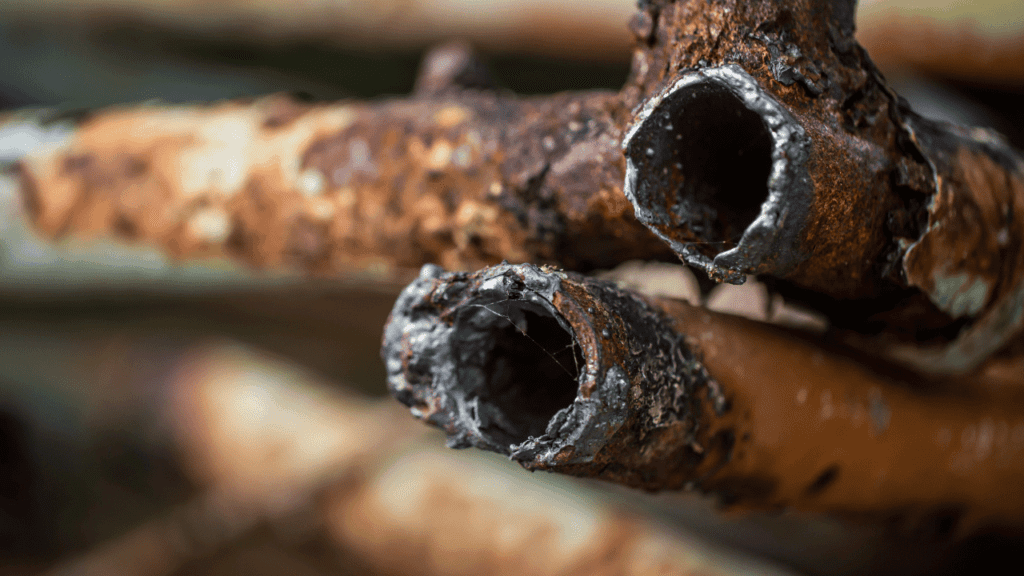
Old pipes can create multiple issues beyond just low water pressure. Some of the most common problems include:
- Water Contamination: Lead pipes and corroded galvanized steel can contaminate drinking water, causing health issues.
- Leaks and Water Damage: Older pipes are more prone to leaks, which can lead to water damage, mold growth, and expensive repairs.
- Reduced Water Pressure: Over time, old pipes become clogged with mineral deposits or rust, reducing water flow and pressure.
Replacing outdated plumbing ensures your water remains clean and safe, and it can prevent costly water damage down the road.
Key Takeaways on Updating Plumbing in an Old House
Updating plumbing in an old house might seem like a daunting task, but it's a necessary investment that can improve water safety, flow, and efficiency. By understanding the common plumbing issues like water leaks or drain cleaning in older homes, choosing the right materials, and working with a professional plumber, you can modernize your plumbing system and avoid future headaches.
If you're facing outdated plumbing, don't wait, start planning your plumbing update today. Ensuring your home has modern, efficient plumbing is one of the best things you can do for both your family's safety and your home's value.
Conclusion
Updating plumbing in an old house is both a practical decision and a smart one that will pay off in the long run. With improved water flow, enhanced safety, and better efficiency, you'll enjoy peace of mind and a healthier living environment. Whether you choose to replace your pipes all at once or tackle the job gradually, it's important to plan ahead and work with professionals to get the job done right. Don't let outdated plumbing hold your home back, take the first step toward a safer, more efficient home today.