
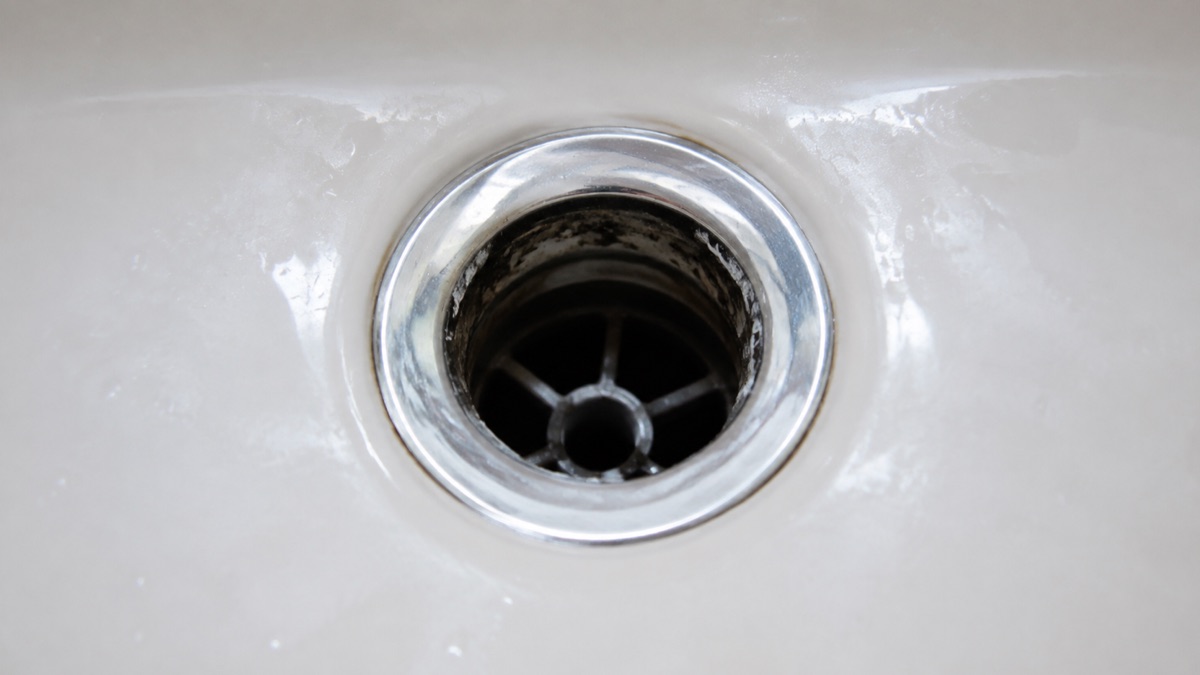
Start by checking where the problem is: on an accessible drain surface, around a leaking pipe, or spreading into the cabinet and wall. That distinction helps you choose the next step: surface cleaning, plumbing repair, or a mold-cleanup professional.
Can sink mold make you sick?
CDC says exposure to damp, moldy environments affects people differently: some have no symptoms, while others develop irritation or respiratory symptoms. People with asthma or a mold allergy can have more severe reactions; people with weakened immune systems or chronic lung disease face additional risks.
If you have symptoms or a condition that could make cleanup risky, speak with a healthcare professional before starting. A plumbing inspection can investigate a leak or drain problem; a clinician should assess health symptoms. EPA recommends getting health advice before cleanup when you have concerns.
Look for moisture around the sink
Mold needs moisture to grow. CDC recommends fixing plumbing leaks and using kitchen and bathroom exhaust fans that vent outdoors. Check the visible supply connections, drain fittings, and cabinet base for dampness. Report a leak to your landlord if you rent, or arrange leak detection and repair if you own the home.
Record where the dampness appears and whether it returns after using the sink. Avoid opening a wall or pulling apart a moldy cabinet to investigate hidden growth. An experienced mold professional can assess areas that are difficult to inspect safely.
Cleaning a small, accessible area
For a small patch on a hard surface you can safely reach, EPA recommends scrubbing with detergent and water, then drying it completely. Follow the fixture manufacturer's care instructions for the finish and any removable drain parts. This is surface-cleaning guidance; a slow or blocked drain needs its own assessment.
EPA's protective-equipment guidance calls for gloves and goggles and describes using a properly fitted N95 respirator to limit inhalation. Follow the respirator instructions. If you are unsure whether you can safely handle the cleanup, use an experienced professional.
Do not mix cleaning products. CDC warns that bleach mixed with ammonia or other cleaners can produce poisonous gas. Avoid adding another product to a drain that may already contain a cleaner, and tell the plumber what you used.
Does bleach solve the problem?
EPA does not recommend bleach or other biocides as a routine mold-cleanup method. Killing mold alone is not enough: the material must be removed, and the moisture source needs attention. Follow product instructions and ventilate the space whenever a cleaner is used.
Skip homemade chemical combinations and promises that a product will kill a precise percentage of mold species. Choose a cleaning method appropriate to the surface and extent of the problem.
When to call a plumber or mold-cleanup professional
Contact Elite Rooter about a visible leak, recurring blockage, or a sink that drains slowly. Describe the affected fixture and ask about drain cleaning or leak repair. Keep bathroom plumbing repairs separate from the assessment and removal of moldy building materials.
EPA uses about 10 square feet as one consideration when deciding who should clean mold. Extensive water damage, a larger affected area, or sewage contamination warrants professional guidance. Choose someone experienced in mold cleanup; for sewage damage, choose someone experienced with contaminated water.
If growth returns after cleaning, revisit the moisture source. EPA advises checking the area after cleanup for renewed water damage or growth. Persisting dampness under a sink deserves attention even when the visible patch is small.
Questions about mold in sink drains
Is black mold in a sink drain more dangerous?
Color alone does not show how dangerous mold is. Address visible growth and moisture, and seek medical advice if you have health concerns.
How should I clean a small patch around the drain?
For an accessible hard surface, follow EPA guidance on detergent, water, protective equipment, and complete drying. Follow the fixture care instructions too.
What if the mold keeps returning?
Check for an unresolved leak or persistent dampness. Arrange a plumbing inspection for leaks or poor drainage and ask an experienced mold professional about affected building materials.
Should I pour bleach down the drain?
EPA does not recommend bleach as a routine mold-cleanup method. Never mix bleach with other cleaners; tell a plumber about products already used in the drain.
When should I get professional mold-cleanup help?
Seek guidance for extensive damage, hidden growth, sewage contamination, or an area larger than about 10 square feet. Consult a healthcare professional before cleanup if you have health concerns.
Related guides: Bathroom Plumbing Services.