By understanding these symptoms and solutions, you can save yourself from expensive repairs and keep your plumbing in top shape.
Signs of Roots in Your Drain
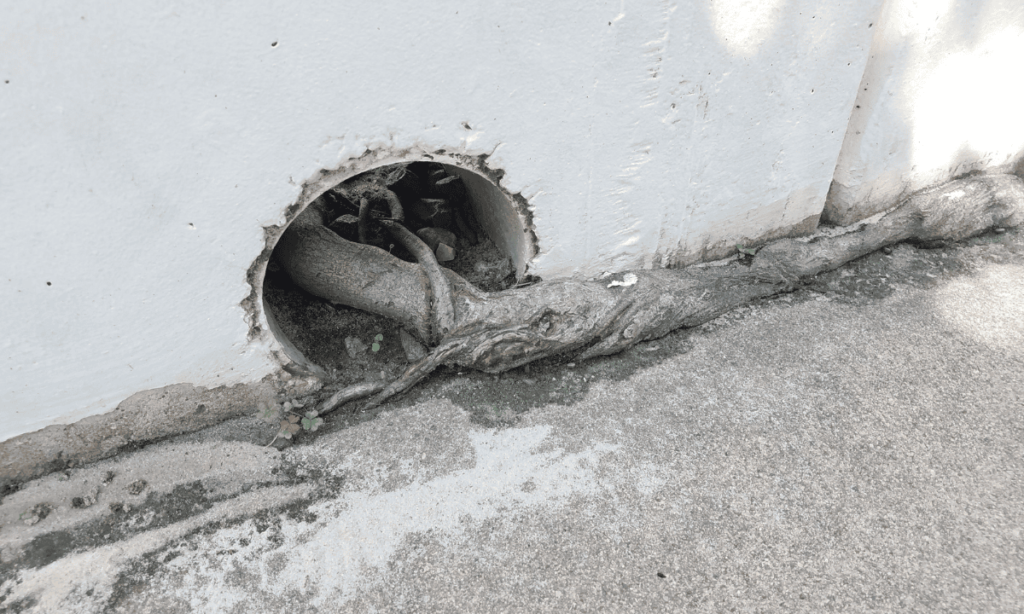
- Slow Draining Fixtures: One of the first indicators of root intrusion is slow drainage in sinks, bathtubs, and toilets. As roots grow, they create a partial blockage, resulting in water moving slowly through the system.
- Frequent Clogs: If you're experiencing clogs that keep recurring despite using drain cleaners or plungers, it may indicate tree roots in the line. Traditional methods might clear some debris, but the roots will continue to obstruct the flow.
- Gurgling Noises: Strange gurgling sounds coming from your drain when using the sink, toilet, or shower can signal a blockage. Roots often disturb normal water flow, creating these unusual sounds as air is displaced in the pipes.
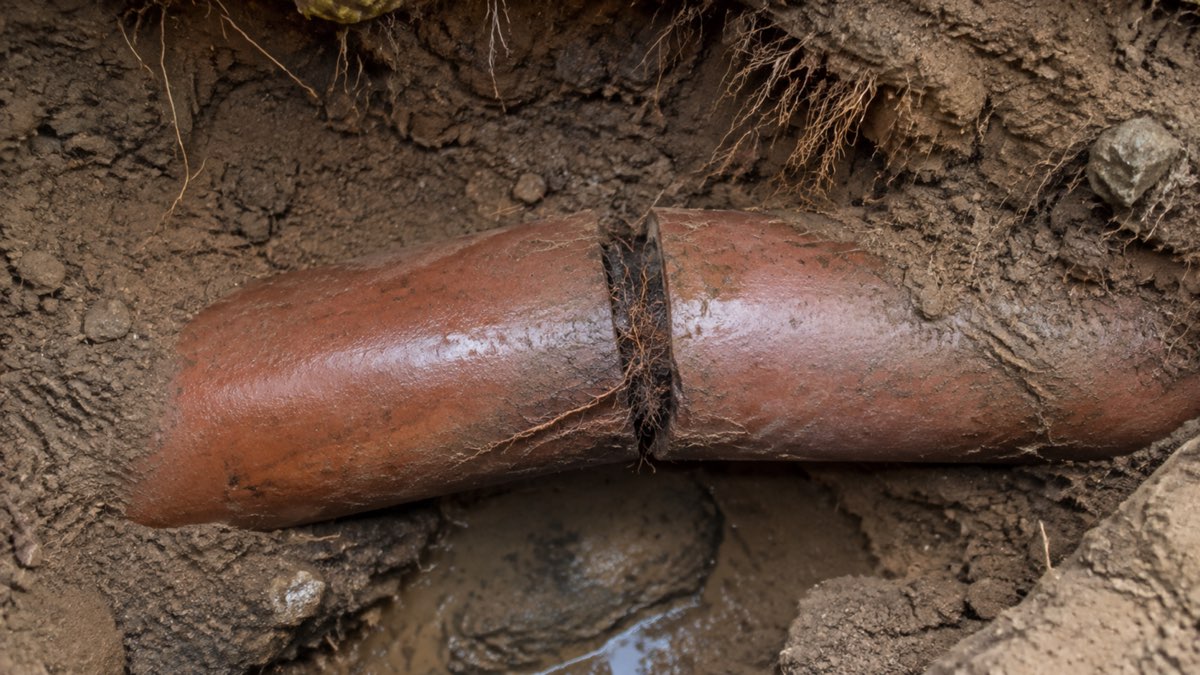
- Wet Patches in Your Yard: If you notice persistent damp areas or sinkholes in your yard, there could be a leak due to root intrusion. Roots often break into sewer lines to seek moisture, which can then lead to visible water patches above ground.
- Foul Odors: A sewer-like odor inside or outside your home can indicate an issue with your mainline. As tree roots break pipes and block water flow, waste can build up, producing a foul smell.
How to Fix Roots in Your Drain?
Root intrusion can be a major hassle, but there are effective ways to fix it.
The right method depends on how much of the line is blocked and whether roots entered through a damaged joint or pipe. A camera inspection should answer those questions before treatment begins.
- Mechanical Root Cutting: A plumber can use a root-cutting auger to reopen the line. Cutting restores flow but does not seal the opening where roots entered.
- Hydro Jetting: When the pipe is in suitable condition, controlled high-pressure water can clear remaining roots and debris. The technician should choose the pressure and nozzle after evaluating the pipe.
- Pipe Relining or Sectional Repair: A damaged but otherwise serviceable pipe may qualify for lining or a targeted repair. The inspection determines whether either option is appropriate.
- Pipe Replacement: A collapsed, badly offset, or extensively damaged line may need replacement. This addresses both the obstruction and the failed pipe.
What Homeowners Should Do Next
If several fixtures are slow or sewage is backing up, the problem may be in the main sewer line. Reduce water use and arrange an inspection. Do not rely on a chemical treatment to diagnose the blockage or repair the point where roots entered.
- Avoid Improvised Treatments: Do not pour rock salt, copper sulfate, or mixed drain chemicals into the line based on a generic online dosage. Product directions and permitted uses vary.
- Follow the Product Label: If you are considering a root-control product, confirm that it is registered and labeled for your exact sewer or septic application. The EPA requires pesticide use to follow the product label; local sewer or septic rules may add restrictions.
- Protect People and Pets: Keep everyone away from sewage-contaminated water. Avoid using affected fixtures until the backup is controlled.
- Get the Line Inspected and Cleared: Professional tree-root removal can locate the intrusion, restore flow, and document whether the pipe needs repair. Ask for a follow-up camera view so you know what remains after cleaning.
Plumbing Repair Cost Considerations
When an inspection confirms that roots damaged the pipe, sewer line repair options and their costs depend on the location and extent of the damage.
Here's what you can expect:
- Hourly Rates: Plumbers generally charge between $45 to $150 per hour, depending on the complexity of the job and location. The minimum service call-out fee ranges from $50 to $200.
- Hydro Jetting Cost: On average, hydro jetting to remove roots can cost between $350 and $600, depending on the length and condition of the pipes.
- Pipe Replacement or Relining: Pipe replacement costs can range from $500 to $2,500 or more, depending on the extent of the damage and the length of pipe needing replacement.
Also, small plumbing repairs like unclogging a drain or fixing minor leaks may cost between $125 to $350. Larger jobs, such as repairing major pipe leaks, can range from $500 to $800.
Preventative Tips to Avoid Root Problems
- Root Barrier Installation: To prevent future issues, consider installing physical root barriers around vulnerable pipes. These barriers redirect roots away from your plumbing.
- Regular Inspections: Scheduling annual inspections, especially if you live near large trees, can help catch any early root growth and prevent expensive repairs.
- Tree Placement: When planting new trees, keep them at a safe distance from your sewer lines. Research the growth habits of different species to determine a good location.
What Local Homeowners Are Saying
Researching popular plumbing and home improvement forums like PlumbingZone, DoItYourself, and HomeImprovement StackExchange reveals that root intrusion is a frequent topic of concern. Homeowners often discuss DIY solutions like using vinegar or rock salt to kill roots temporarily. However, many experts on these forums recommend calling a professional for inspection, especially when there is persistent blockage or visible yard damage. Key insights include:
- DIY vs. Professional Help: Many homeowners attempt to use chemical root killers, but discussions often highlight the limited success and potential risks (e.g., pipe corrosion).
- Cost of Services: A common question is about the cost of hydro jetting or pipe relining. From the discussions, hydro jetting typically costs between $350 and $600, depending on the length and condition of the pipe.
- Effectiveness of Root Treatments: Some users report success with foaming root killers but note that it's a recurring maintenance task rather than a permanent fix.
Source:
Related guides: Plumbing Repair Services; Hydro Jetting Drain Services; Sewer Line Repair.